
Project AZORIAN: Kapal Perlombongan yang Mencari Kapal SelamProject AZORIAN: The Mining Ship That Searched for a Submarine
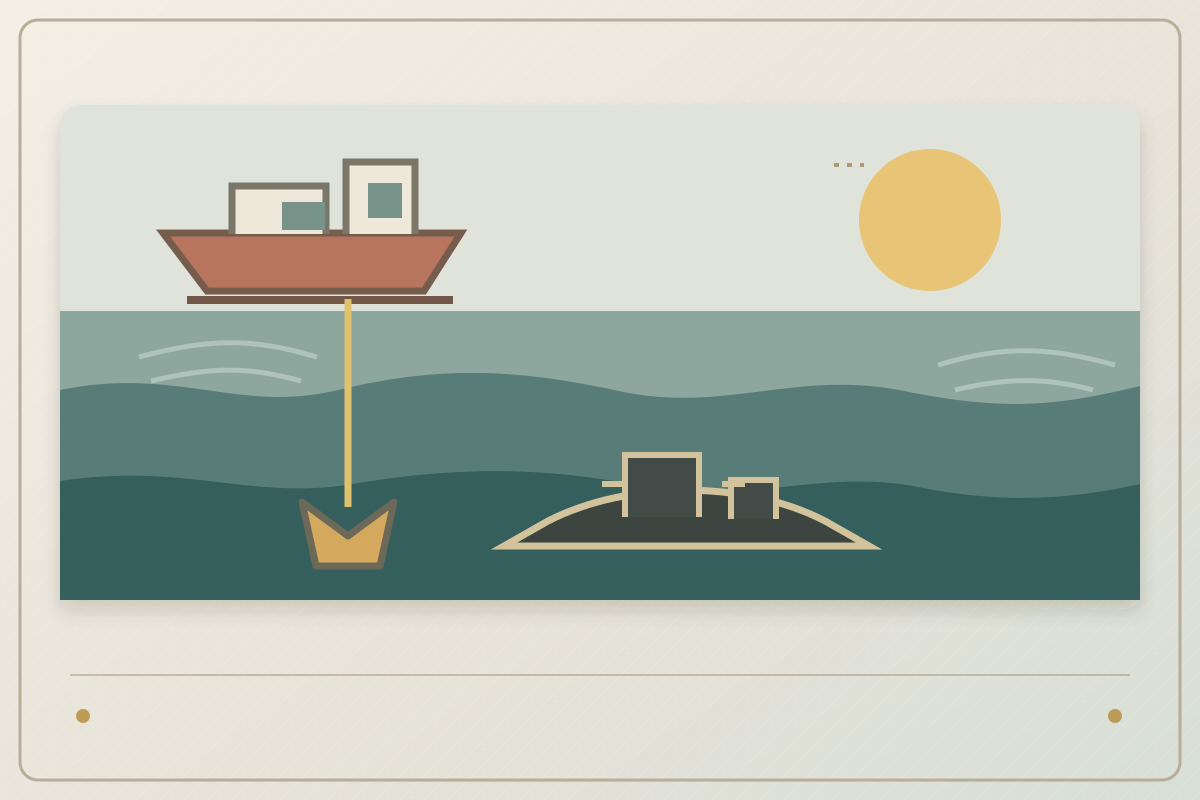
Pada pandangan orang ramai, Hughes Glomar Explorer ialah kapal komersial yang dibina untuk melombong mineral di dasar laut. Sebenarnya, kapal itu menyembunyikan salah satu operasi rahsia paling berani pada zaman Perang Dingin: usaha CIA mengangkat sebahagian kapal selam Soviet yang tenggelam dari dasar Lautan Pasifik.
KAPAL SELAM YANG HILANG
Pada 1968, kapal selam K-129 hilang bersama seluruh anak kapalnya. Amerika Syarikat kemudian menemui bangkai kapal itu kira-kira 16,500 kaki di bawah permukaan, jauh di Pasifik. Di dalamnya mungkin ada maklumat penting tentang sistem peluru berpandu dan komunikasi Soviet. Mengangkat objek seberat ribuan tan dari kedalaman lebih tiga batu bukan kerja biasa; teknologi laut dalam ketika itu belum pernah melakukannya pada skala itu.
RAHSIA DI SEBALIK KAPAL PERLOMBONGAN
CIA membina rancangan yang bergantung pada cerita perlindungan: kapal itu kononnya milik Howard Hughes dan bertujuan mengutip nodul mangan. Di bawah badan kapal, jurutera memasang sistem hidraulik dan cakar besar yang boleh turun ke dasar, menggenggam bangkai kapal dan menariknya naik secara perlahan.
Pada Julai 1974, Glomar Explorer tiba di lokasi dan memulakan operasi. Kapal Soviet berada berdekatan dan memerhati. Apabila bahagian kapal selam yang sedang diangkat hampir separuh jalan ke permukaan, strukturnya patah. Sebahagian jatuh semula ke dasar; bahagian yang masih berada dalam alat pengangkat berjaya dibawa naik. CIA berkata enam mayat pelaut Soviet ditemukan dan diberikan pengebumian rasmi di laut.
BAGAIMANA RAHSIA ITU TERBONGKAR?
Beberapa bulan sebelum kapal belayar, pencuri memecah masuk ke pejabat Hughes di Los Angeles dan mengambil dokumen yang menghubungkan Hughes dengan projek itu. Usaha mencari dokumen tersebut menarik perhatian, khabar angin merebak, dan akhbar menerbitkan kisah itu pada 1975. Selepas perlindungannya terbongkar dan kapal Soviet mengawasi lokasi, rancangan operasi kedua dibatalkan.
AZORIAN bukan kejayaan penuh: sebahagian sasaran hilang semula ke laut dan rancangan mengangkat bakinya tidak diteruskan. Namun operasi itu menunjukkan bahawa “rahsia negara” kadangkala bukan bilik bawah tanah penuh fail, tetapi gabungan kejuruteraan, cerita perlindungan dan keputusan yang boleh gagal di tengah laut.
Rujukan rasmi: CIA Museum, Project AZORIAN: https://www.cia.gov/legacy/museum/exhibit/project-azorian/
To the public, the Hughes Glomar Explorer was a commercial vessel built to mine minerals from the ocean floor. In reality, it concealed one of the Cold War’s boldest secret operations: the CIA’s attempt to raise part of a sunken Soviet submarine from the Pacific seabed.
THE MISSING SUBMARINE
In 1968, the K-129 submarine disappeared with its entire crew. The United States later located its wreck about 16,500 feet below the surface in the Pacific. It might contain valuable information about Soviet missile and communications systems. Raising thousands of tons from more than three miles down was not ordinary salvage; deep-sea engineering had never done it at that scale.
THE COVER STORY
The CIA built a plan around a public cover: the ship supposedly belonged to Howard Hughes and was designed to collect manganese nodules. Under the hull, engineers installed a hydraulic system and a giant claw that could descend to the seabed, grip the wreck, and pull it upward slowly.
In July 1974, the Glomar Explorer reached the site and began the operation. Soviet ships were nearby, watching. When the submarine section being lifted was about halfway to the surface, it broke apart. Some of it fell back to the seabed; the part still held by the lifting device was brought up. The CIA says six Soviet sailors’ bodies were recovered and given a formal burial at sea.
HOW DID THE SECRET GET OUT?
Months before the ship sailed, burglars broke into a Hughes office in Los Angeles and stole documents linking Hughes to the project. The search for the documents drew attention, rumours spread, and newspapers published the story in 1975. After the cover was exposed and Soviet ships watched the site, a second recovery mission was cancelled.
AZORIAN was not a complete success: part of the target fell back into the ocean, and the plan to raise the rest was abandoned. Still, the operation shows that a “state secret” is sometimes not a room full of hidden files, but a mix of engineering, a cover story, and decisions that can fail in the middle of the sea.
Official reference: CIA Museum, Project AZORIAN: https://www.cia.gov/legacy/museum/exhibit/project-azorian/
RUANG BUALTHE CONVERSATION
Apa yang kau fikir?What do you think? (0)
Jadi yang pertama mulakan perbualan.Start the conversation.